Best Fantasy Books to Read in 2026 for Every Fantasy Fan
Best fantasy books to read in 2026 are here! Dive into new worlds and adventures that await you this year.

Anúncios
Choosing among the best fantasy books to read in 2026 starts with understanding the kinds of worlds, characters, themes, and storytelling styles you enjoy, then exploring verified new releases and sampling books before committing.
Best fantasy books to read in 2026 span epic fantasy, romantic fantasy, urban fantasy, mythology-inspired stories, and established series returning with new installments.
Anúncios
The year has already brought verified releases from established writers alongside debuts from authors introducing new magical worlds and approaches to the genre.
Rather than relying on invented rankings, the most useful approach is to explore confirmed releases and match their themes, tone, and format to your own reading preferences.
Anúncios
Top Fantasy Authors to Watch in 2026
Fantasy in 2026 includes both established writers returning to familiar worlds and newer authors releasing notable debuts.
Some readers may prefer long-running series, while others may be more interested in discovering a first novel from an emerging fantasy writer.
The authors below represent different corners of the genre and have verifiable fantasy releases published in 2026.
1. Seanan McGuire
Seanan McGuire returned to her long-running Wayward Children series with Through Gates of Garnet and Gold, released on January 6, 2026.
The novella brings back Nancy and the Halls of the Dead, continuing a series known for portal fantasy, unusual magical worlds, and characters searching for places where they belong.
Readers already invested in Wayward Children can continue the series, while newcomers may prefer to begin with the earlier books before reaching this installment.

2. Roshani Chokshi
Roshani Chokshi released The Swan’s Daughter: A Possibly Doomed Love Story on January 6, 2026.
The young adult fantasy follows Demelza, a magical veritas swan whose song compels truth, and Prince Arris, whose family is bound by a deadly marriage curse.
It may appeal particularly to readers who enjoy fairy-tale structures, romantic fantasy, curses, court intrigue, and whimsical world-building.
3. Shen Tao
Shen Tao made her novel debut with The Poet Empress, published on January 20, 2026.
The epic fantasy centers on Wei Yin in the declining Azalea Dynasty, where poetry possesses magical power and women are forbidden to read.
Readers interested in political intrigue, dangerous courts, forbidden knowledge, morally complicated characters, and East Asian-inspired fantasy may find it worth exploring.
Verified Early-2026 Releases
Release dates matter because publishing schedules can change, so readers should verify current editions before purchasing or preordering books announced far in advance.
Among confirmed January releases were The Swan’s Daughter, Through Gates of Garnet and Gold, City of Others, Graceless Heart, and The Poet Empress.
These titles alone demonstrate the variety available in 2026, ranging from urban and portal fantasy to historical, romantic, and epic fantasy.
- The Swan’s Daughter — January 6, 2026.
- Through Gates of Garnet and Gold — January 6, 2026.
- City of Others — January 13, 2026.
- Graceless Heart — January 13, 2026.
- The Poet Empress — January 20, 2026.
Notable Fantasy Releases to Explore in 2026
The 2026 publishing calendar includes new fantasy worlds as well as new installments in established series.
Rather than labeling any title objectively “must-read,” readers can compare genre, setting, length, and tone to determine which books fit their interests.
The following releases illustrate three distinct approaches to fantasy storytelling available during the year.
1. City of Others by Jared Poon
City of Others was released by Orbit on January 13, 2026 and begins Jared Poon’s DEUS Files.
Set in Singapore, the urban fantasy follows Benjamin Toh, a government middle manager responsible for dealing with supernatural residents hidden within the city.
The book combines bureaucracy, supernatural creatures, found family, romance, and Southeast Asian folklore in a contemporary urban setting.
2. Graceless Heart by Isabel Ibañez
Graceless Heart was published in the United States on January 13, 2026 as Isabel Ibañez’s adult fantasy debut.
Set in a magical Renaissance Florence, the novel follows sculptor Ravenna Maffei after her hidden power draws her into the orbit of a dangerous immortal family.
The book combines historical fantasy, romance, forbidden magic, political danger, and an enemies-to-lovers storyline.
3. Through Gates of Garnet and Gold by Seanan McGuire
Through Gates of Garnet and Gold is a 160-page fantasy novella published on January 6, 2026 as part of the Wayward Children series.
The story returns to Nancy and the Halls of the Dead after danger forces her to seek help outside the magical world she once fought to return to.
It is best suited to readers already familiar with the series because its characters and emotional stakes build on earlier Wayward Children stories.
Release Dates Can Change
Publisher schedules are useful for tracking forthcoming fantasy, but announced publication dates are not always permanent.
Books can move because of printing, distribution, editorial, or marketing decisions, particularly when dates are announced many months in advance.
For forthcoming titles later in 2026, checking the publisher or bookseller listing close to release is safer than relying on an older announcement.
Standalone Fantasy Novels to Explore in 2026
Standalone fantasy can be a good choice for readers who want a complete primary narrative without beginning a lengthy multi-volume series.
These novels can still deliver extensive world-building, romance, political conflict, and complicated magic systems within one main volume.
Several verified 2026 releases give readers options across young adult, romantic, historical, and epic fantasy.
1. The Swan’s Daughter
Roshani Chokshi’s The Swan’s Daughter was published on January 6, 2026 and blends young adult fantasy with romance and fairy-tale influences.
Its protagonists face magical restrictions that make love particularly dangerous: Demelza fears losing her freedom, while Arris expects marriage to lead to his murder.
The premise makes it a potential match for readers interested in curses, fairy-tale logic, romantic tension, and characters challenging predetermined futures.
2. The Poet Empress
The Poet Empress is Shen Tao’s 2026 debut and is described as a standalone epic fantasy.
Its world combines a declining dynasty, famine, palace politics, forbidden literacy, and a form of magic connected to poetry.
The book may suit readers looking for a darker court-centered fantasy in which ambition, survival, political power, and magic become closely intertwined.
3. Graceless Heart
Graceless Heart is a standalone adult fantasy romance set against an enchanted version of Renaissance Italy.
Ravenna’s ability and artistic background pull her into a conflict involving an immortal family and forbidden magical power in Florence.
Readers who favor historical settings, romance, artistic protagonists, and dangerous magic can use those elements to decide whether it fits their reading tastes.
Why Choose a Standalone?
A standalone can provide a substantial fantasy story without requiring readers to wait for several future installments to resolve the central narrative.
It can also be a useful way to explore an unfamiliar author’s prose, world-building style, or approach to fantasy before reading more of their work.
However, readers should still check publication descriptions carefully because some books marketed around a complete story may later receive companion novels or related works.
- A central story designed to function within one main volume.
- A lower time commitment than beginning a long series.
- An easy way to sample unfamiliar authors and fantasy subgenres.
The Role of Mythology in New Fantasy Releases
Mythology and folklore continue to provide fantasy writers with characters, narrative structures, creatures, symbols, and cultural frameworks.
Modern fantasy may adapt these traditions directly or use them as starting points for entirely new worlds.
The strongest examples also treat source cultures with context and specificity instead of reducing different mythological traditions to interchangeable fantasy imagery.
1. Cultural Myth and Folklore
Fantasy can draw from Greek, Norse, Chinese, Southeast Asian, African, Indigenous, and many other storytelling traditions, but those traditions are highly diverse.
Writers may reinterpret familiar stories, foreground lesser-known figures, or build worlds inspired by cultural concepts rather than retelling a specific myth.
For readers, learning about the source tradition can add context while helping distinguish the author’s invention from the original mythology.
2. Mythical Creatures and Supernatural Beings
Dragons, spirits, fae, ghosts, gods, monsters, and transformed humans continue to appear throughout contemporary fantasy.
Their meaning can change significantly from book to book because authors frequently reinterpret older traditions to fit new themes and settings.
Readers who enjoy particular supernatural elements can use those preferences as a useful filter when choosing between new releases.
3. Timeless Themes
Myth-inspired fantasy often explores recurring questions involving power, mortality, identity, responsibility, family, sacrifice, and belonging.
Those themes endure because they can be reframed within very different social settings and character perspectives.
Modern fantasy therefore does not simply repeat ancient tales; it can use older narrative foundations to explore contemporary concerns.
- Power and its consequences.
- Identity and self-discovery.
- Family, loyalty, and community.
The Impact of Reader Communities on Fantasy Books
Reader communities are increasingly visible in how fantasy books are discussed, discovered, reviewed, and promoted online.
Platforms such as Goodreads, BookTok, BookTube, blogs, forums, and author newsletters can help titles reach audiences that traditional marketing might not reach as quickly.
That influence should not be confused with readers directly controlling an author’s published plot or creative decisions.
1. Reader Reviews and Discussion
Reviews can help other readers understand a book’s tone, pacing, themes, romance level, world-building, and potential content concerns.
Authors and publishers may also observe reader reactions, but a reviewer’s opinion does not necessarily cause later creative changes.
For readers choosing a book, examining several different reviews is usually more informative than relying on a single viral reaction.
2. Polls and Online Interaction
Authors sometimes use polls or questions to interact with audiences about covers, favorite characters, merchandise, events, or promotional content.
That engagement can strengthen reader communities without meaning that crowdsourcing major plot decisions is standard publishing practice.
Published fiction generally remains shaped by the author, editor, publishing process, and any formal early-reader feedback rather than public voting.
3. Beta Readers and Early Feedback
Beta readers can provide authors with feedback on drafts before publication, although their role varies widely between writers and publishing projects.
They may identify confusing sections, pacing problems, inconsistencies, or reader reactions that the writer can choose whether to address.
This is different from fan comments after publication because beta reading normally occurs during the development of an unpublished manuscript.
- Reader communities can increase discovery and discussion.
- Beta readers may provide structured prepublication feedback.
- Public fan reaction does not automatically determine future plots.
How to Choose Your Next Fantasy Adventure
Choosing your next fantasy adventure is easier when you identify the elements that matter most to you before browsing a large recommendation list.
Think about whether you prefer epic quests, romance, court politics, cozy fantasy, horror elements, urban settings, mythology, elaborate magic systems, or character-focused stories.
Your favorite previous books can provide useful clues about pacing, tone, length, and world-building styles you are most likely to enjoy again.
1. Identify Your Preferences
Start with the emotional and narrative experience you want rather than looking only at what is currently popular.
A reader seeking a comforting story may respond differently to the same recommendation than someone looking for grim political conflict or high-stakes warfare.
Knowing those preferences makes it easier to filter new releases without assuming that a widely discussed fantasy book will appeal to everyone.
2. Explore Recommendations
Recommendations from friends, librarians, booksellers, reviewers, and reader communities can introduce you to titles outside your usual reading habits.
Look for recommendations that explain why a book might appeal to a particular reader instead of simply declaring it the year’s “best.”
Comparing several sources also reduces the chance of choosing a book solely because one platform temporarily made it highly visible.
3. Sample Before You Commit
Reading an authorized preview can quickly reveal whether the prose style, perspective, dialogue, and opening pace work for you.
Reviews and publisher descriptions can provide additional context about themes and structure, while interviews may explain the author’s inspiration.
Sampling is particularly useful for long fantasy novels because enjoyment of the writing voice often matters as much as the premise.
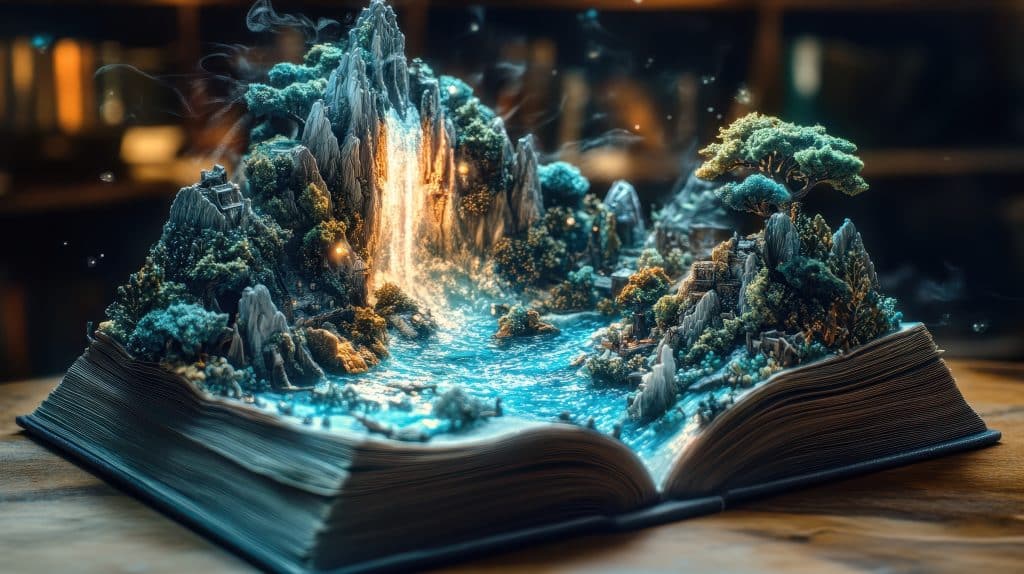
- Read an authorized sample or first chapter when available.
- Compare several reviews instead of relying on one rating.
- Check the book’s length, series status, themes, and intended audience.
Conclusion
The best fantasy books to read in 2026 will differ from reader to reader because fantasy covers an unusually broad range of tones, settings, themes, and storytelling traditions.
Verified releases such as The Swan’s Daughter, City of Others, Graceless Heart, The Poet Empress, and Through Gates of Garnet and Gold provide several very different entry points into the year’s fantasy catalog.
Using your own preferences, trusted recommendations, publisher information, and book samples is a more reliable path to a satisfying read than choosing solely according to hype or an unsupported ranking.
FAQ – Questions About Choosing Your Next Fantasy Book Adventure
How can I find the right fantasy book for me?
Start with books you already enjoyed and identify whether you preferred their characters, romance, setting, magic, pacing, humor, or world-building.
What factors should I consider when selecting a fantasy book and novel?
Consider subgenre, tone, length, intended audience, series status, romance level, world-building style, and whether the premise matches your interests.
Are there good resources for fantasy book recommendations?
Yes. Librarians, booksellers, publisher catalogs, book reviewers, reader communities, and resources such as Goodreads can all help you discover titles.
How can sampling a book help me decide whether to read it?
An authorized sample lets you evaluate the author’s prose, perspective, dialogue, and pacing before committing to the complete book.